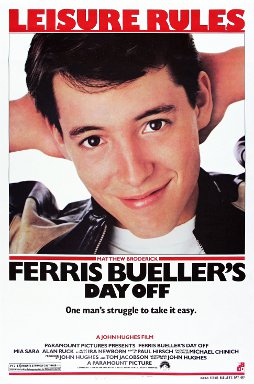
In the annals of 1980s cinema, few films capture the essence of youthful rebellion quite like John Hughes' Ferris Bueller's Day Off. Released in 1986, this film stands as a quintessential piece of the teen comedy genre, reflecting the dreams, dilemmas, and desires of adolescent life amidst the backdrop of affluent suburban living. Hughes masterfully weaves a narrative that celebrates the carefree spirit of youth while simultaneously critiquing the suburban landscape of 1980s America. The film becomes not only a playful adventure of skipping school but also a poignant exploration of personal freedom and individuality within a conformist society.
At its core, Ferris Bueller's Day Off follows the charismatic Ferris Bueller, played by Matthew Broderick, as he orchestrates an elaborate scheme to ditch school and embark on a day of fun in Chicago with his girlfriend, Sloane, and his friend, Cameron. This escapade embodies the theme of youthful rebellion, resonating with audiences who may have had similar fantasies of breaking free from the mundane constraints of everyday life. The film's celebratory tone, underscored by its humorous scenarios, invites viewers to reminisce about their own carefree days, evoking a sense of nostalgia that captures the essence of youth.
Critics have widely hailed Ferris Bueller's Day Off for its unique blend of humor and social commentary, recognizing its ability to satirize the culture of affluence surrounding suburban life during the 1980s. The film paints a vibrant picture of a world filled with privilege and excess, yet it also highlights the universal struggles of young individuals striving to assert their identities amid societal expectations. Hughes’ adept handling of these themes encourages a critical reflection on the balance between fun and responsibility, as Ferris’s day off becomes both an act of liberation and a reminder of the pressures that accompany growing up.
The character of Ferris himself embodies a form of rebellion that many find relatable, as he portrays an unapologetic confidence that allows him to navigate the complexities of teenage life. His charm and wit make the narrative not only entertaining but also a celebration of the very act of living authentically. As the film unfolds, viewers are reminded of the fleeting nature of youth, making it a timeless classic that resonates with generations. The film's clever humor, combined with its underlying messages about the importance of self-discovery and the value of friendship, solidifies its place in the cinematic landscape.
Ultimately, Ferris Bueller's Day Off serves as an ode to the exuberance and spontaneity of youth and has become a cultural touchstone that captures the essence of a generation's longing for freedom. John Hughes, with his keen understanding of adolescent struggles, creates a film that not only entertains but invites reflection on the choices we make while navigating the complexities of life and the bittersweet passage of time. As we look back at this film decades later, it remains a celebration of youthful rebellion, encapsulated in a glorious day of carefree adventure.