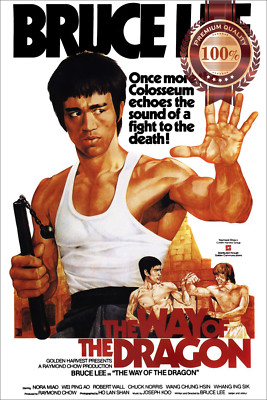
The Way of the Dragon, directed by Bruce Lee in 1972, stands as a significant entry in the martial arts genre and an essential milestone in Lee's illustrious career. This film marks a pivotal moment for Lee, showcasing not only his exceptional martial arts prowess but also his growing influence as a director and actor. As Lee took the reins behind the camera, he began to craft a unique cinematic language that combined dynamic fight choreography with cultural commentary. Set notably within the colorful backdrop of Chinatown, the film explores themes that resonate deeply within the context of the cultural dynamics of the time, making it both a personal statement and a broader reflection on identity and power.
The narrative of The Way of the Dragon is rich with the classic elements of martial arts films, intertwining the genre's traditional themes of honor and skill with a plot that intertwines personal vendettas and crime investigations. Lee's character, Tang Lung, embarks on a journey to assist his family’s restaurant in the face of intimidation from local gangsters. This setup introduces a compelling tension between Eastern traditional values and Western influences, which is escalated through electric action sequences and a memorable showdown against Chuck Norris in the Colosseum. These elements coalesce into a brisk narrative that, while at times disjointed, ultimately serves Lee's vision of championing the martial arts.
Critical consensus identifies The Way of the Dragon as a film that not only underscores Bruce Lee’s martial arts mastery but also leaves a notable mark on the genre through its innovative fight choreography and cinematic style. The film's action scenes are both bloody and rhythmically thrilling, offering a distinct contrast to the often underdeveloped plots of other films of the era. Lee's ability to maintain a compelling narrative drive amidst high-octane action is noteworthy, providing audiences with a fresh perspective on martial arts as a serious cinematic form.
Despite some criticism regarding its disjointed narrative, the film is remembered for its electric sequences which showcase Lee's philosophy toward martial arts, emphasizing adaptability and resilience. The choreography represents a fusion of various martial arts styles, enhancing its appeal to global audiences and pushing the boundaries of what an action movie could accomplish. This adaptation of martial arts within a cinematic framework resonates with viewers seeking authenticity blended with entertainment, a legacy that has continued to influence filmmakers and actors across generations.
In retrospect, The Way of the Dragon not only solidified Bruce Lee's legacy as a martial arts icon but also shaped the future of action cinema. The film prefigured the rise of martial arts films in the West and remains a significant artifact of 1970s cinema, bridging cultural divides while highlighting the complexities of power dynamics within a rapidly changing world. As one reflects upon this film, it becomes apparent that Lee’s vision transcends simple action; it is a moment of cultural dialogue, reverberating through the decades as both a testament to Lee's genius and an influential work within the annals of film history.