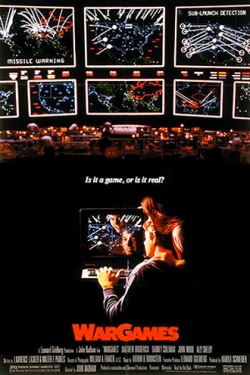
As a hallmark of early 1980s cinema, WarGames, directed by John Badham, occupies a unique place both within the director's oeuvre and the landscape of science fiction film. Released during a period of escalating fears related to nuclear warfare and the burgeoning digital age, the film encapsulates societal anxieties about technology, particularly in its portrayal of computer systems as both powerful tools and potential harbingers of destruction. Badham, known for his ability to blend entertainment with thought-provoking themes, delivers a narrative that resonates not just with the contemporaneous audience but continues to feel eerily relevant decades later.
The central plot of WarGames revolves around a teenage hacker, David Lightman, played by a charismatic Matthew Broderick, who inadvertently accesses a U.S. military supercomputer while seeking to play a video game. This reckless act spirals into a thrilling exploration of the consequences that can arise from the intersection of youthful rebellion, technology, and national security. Critics have consistently praised the film for its intelligent script and the tension that mounts as David and his friend Jennifer attempt to avert nuclear catastrophe, underscoring the chilling reality of Cold War paranoia. This blend of adventure and existential dread makes the film not only entertaining but profoundly resonant in its commentary on the vulnerabilities inherent in technology.
The themes of WarGames reflect a prescient understanding of both computer technology and cybersecurity long before these issues became critical facets of modern society. The film serves as a cautionary tale, urging audiences to recognize the potential for unintended consequences when human recklessness interfaces with sophisticated systems. Critics have noted that Badham skillfully crafts a narrative that is both exciting and unsettling, allowing viewers to explore the implications of a world where technology can override human control and lead to cataclysmic outcomes.
In the context of Badham's body of work, WarGames stands out as a film that marries high-tech thrills with social commentary, showcasing his adeptness at making films that are engaging without sacrificing substance. The movie's scenarios may be based in a fictional context, but its messages about the responsibility that comes with technological advances remain timeless and alarmingly relevant. As modern-day audiences grapple with the complexities of cybersecurity, artificial intelligence, and geopolitical tensions, WarGames endures as a chilling reminder of the potential realities lurking behind the screens we engage with daily.
Overall, WarGames has earned its place as a classic film that not only reflects its era but also serves as a thought-provoking exploration of enduring themes. It invites viewers to consider the intricate balance between innovation and the ethical implications it engenders, and in doing so, it remains a strikingly relevant piece of cinema that continues to provoke discussion and reflection. This combination of charm, suspense, and intelligence not only entertains but demands engagement, solidifying the film’s legacy in the annals of cinema history.