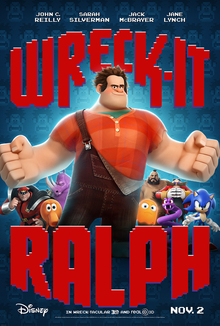
Wreck-It Ralph, directed by Rich Moore, emerges as a defining work within the animated realm of the early 21st century, a period marked by a resurgence of video game culture in both mainstream and artistic media. With an eye towards nostalgia, Moore cleverly navigates the landscape of 8-bit graphics and retro gaming while weaving a rich tapestry of identity and self-discovery that resonates across generations. The film stands as a reflective homage to 80s arcades and early gaming experiences, positioning itself within a cinema history that frequently revisits and reinterprets the significance of childhood memories and cultural artifacts.
Critics have universally applauded Wreck-It Ralph for its intricate balance between humor and heartfelt storytelling. The film’s exploration of heroism and friendship subverts traditional tropes, emphasizing that identity is multifaceted and can unfold beyond established roles. Ralph, the titular character, embodies the struggle of self-acceptance and personal growth, questioning the nature of what it means to be a "bad guy" in a world dominated by binary notions of heroism and villainy. This central motif of self-discovery coalesces beautifully with the backdrop of various gaming worlds, each rendered with meticulous detail, showcasing the vast imagination involved in creating such a loving tribute to gaming icons.
The film's wacky, comic tone is enhanced by its inventive world-building. Viewers are treated to a kaleidoscope of retro references and a vibrant palette of characters, from the cutesy Vanellope von Schweetz to the imposing King Candy. This rich array of personalities contributes not only to the film's humor but also to its nuanced exploration of branding and the commercialization that so often permeates the gaming industry. Subtly, the film critiques the commodification of gaming culture while celebrating its inherent charm, a duality that points to both the bewildering and enchanting nature of this digital landscape.
Nostalgia plays a vital role throughout Wreck-It Ralph, expertly engaging viewers' fond memories while simultaneously inviting them to consider how these memories shape their present identities. The film captures the essence of old-school gaming, incorporating familiar aesthetics that evoke both delight and a sense of loss, striking a poignant chord with adults who grew up immersed in that era. As Ralph journeys to redefine himself, audiences are prompted to reflect on their own paths of self-discovery, resonating with the universal quest for belonging and acceptance in an ever-evolving world.
Ultimately, Wreck-It Ralph stands out in Rich Moore's oeuvre, acting as a love letter not only to gamers but to those wrestling with their sense of self. It is simultaneously a comic adventure and a thoughtful meditation on the complexities of identity in a branded society, merging elements of retro charm with contemporary insights. Within the animation genre, the film has place itself firmly as a memorable and significant work, continuing to resonate as a story that speaks respectfully to the past while looking forward to future possibilities.