Career Overview
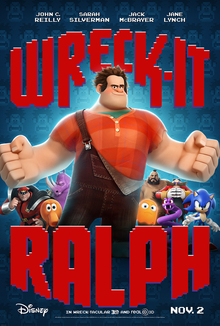
Rich Moore operates as a pivotal figure in contemporary studio animation, bridging the subversive comedic sensibilities of late twentieth century television animation with the digitally polished blockbuster realm of twenty-first century cinema. Although his feature filmography is highlighted by the release of Wreck-It Ralph in 2012, this single feature encapsulates a deep background in comedic storytelling. His trajectory demonstrates a unique capacity to smuggle sharp cultural critique into family friendly formats, leveraging his television roots to cultivate an irreverent but highly structural approach to cinematic narrative.
Transitioning to large scale theatrical features, Moore found a canvas uniquely suited to his hyper-detailed, referential style. The frequent critical comparisons of his work to The Simpsons speak to his foundational understanding of episodic, densely layered comedy. By applying this methodology to feature animation, he disrupts traditional fairy tale paradigms often associated with major animation studios, opting instead for contemporary settings infused with a deeply nostalgic atmosphere.
His position in cinema history is increasingly defined by his ability to merge the corporate machinery of modern animation with a genuine affection for digital subcultures. Moore operates as an archivist of pop culture, translating the ephemeral nature of arcade gaming and digital spaces into enduring cinematic texts. His work acknowledges the commercial realities of its own creation while maintaining a distinct, authorial oddity and charm.
Thematic Preoccupations
Moore anchors his cinematic architecture in the twin pillars of identity and self-discovery. In Wreck-It Ralph, he examines the existential dread of being locked into a predefined societal role. His protagonists often grapple with the limitations of their programmed existence, raising profound questions about determinism versus agency in a digital landscape. The pursuit of heroism in storytelling is subsequently reframed not as a grand destiny, but as a messy, personal rebellion against the expectations placed upon the individual.
Nostalgia operates within his narratives not merely as visual window dressing but as a central thematic engine. Critics frequently note how Moore weaponizes branding nostalgia to interrogate modern consumerism. His films explore how memories of childhood play are inextricably linked to corporate licensing, examining the commodification of joy while simultaneously celebrating the genuine emotional resonance of those past experiences. This duality creates a complex thematic landscape where commercial products become vessels for sincere human connection.
Furthermore, his work consistently dismantles binary moral frameworks. By centering the antagonist and charting a chaotic path toward self-actualization, Moore challenges traditional notions of good and evil. Friendship emerges as the catalyst for transformation in these stories, providing a grounded emotional counterpoint to the frenetic, hyper-commercialized universes his characters inhabit. The relationships forged across boundaries serve as the ultimate vehicle for self-discovery.
Stylistic Signatures
The visual language of Moore relies on a meticulous attention to detail and a profound appreciation for retro aesthetics. Critics highlight the baffling creativity of his world-building, where the visual grammar of outdated technologies dictates the cinematic frame. Blocky graphics and 8-bit style elements are seamlessly integrated into high-fidelity three-dimensional animation, creating a striking juxtaposition between the past and the present. This visual contrast serves both a comedic and a narrative purpose, separating different psychological and physical realms through distinct color palettes and rendering techniques.
This synthesis is often described by critics as a retro deluxe approach. Moore utilizes the technical limitations of early arcade games to inform character movement, framing, and pacing. The resulting aesthetic mimics the erratic, staccato rhythm of classic gaming, while his camera work maintains the sweeping fluidity expected of modern digital animation. By manipulating frame rates and character rigging, he crafts a bespoke visual signature that pays homage to the history of the medium while pushing its current technological boundaries.
Tonally, his directorial signature is defined by a reliance on subversive humor balanced carefully with heartfelt storytelling. Moore employs rapid-fire visual gags and diegetic audio cues borrowed from the video game medium, utilizing chiptune noises and recognizable sound effects to elicit an immediate response from the audience. This constant comic undertone prevents the earnest narrative beats from becoming overly saccharine, ensuring that the emotional climaxes feel earned rather than manipulated.
Recurring Collaborators
While the database does not isolate a recurring ensemble of vocal talent across multiple films, the collaborative nature of animation demands that Moore rely heavily on a stable infrastructure of animators, character designers, and sound engineers. The complex corporate crossovers inherent in his narratives demand intricate legal and creative partnerships to navigate the labyrinth of licensing and intellectual property. Translating an imaginary arcade game like the fictional Fix It Felix Jr. into a reality that sits alongside established icons like Donkey Kong requires a tightly knit creative brain trust.
The synthesis of these disparate universes is heavily reliant on highly coordinated efforts with art directors and visual development artists. These unnamed structural collaborators are essential in executing the meticulous rendering that critics frequently praise. Their collective work ensures that every pixelated sprite and neon-lit background feels authentic to its respective genre, maintaining visual cohesion across wildly shifting environments.
Furthermore, the voice cast in a Moore film must navigate a precarious tonal tightrope between sincere emotion and rapid-fire referential comedy. The performers are tasked with embodying characters that are both recognizable archetypes and fully realized individuals struggling with existential crises. This demands vocal performances that can cut through the dense visual noise and relentless pacing of the frame to anchor the emotional stakes of the narrative.
Critical Standing
The critical reception of Moore is characterized by a deep appreciation for his ambitious world-building, even as reviewers occasionally grapple with the chaotic pacing of his narratives. Wreck-It Ralph is frequently compared to watershed animated films like Toy Story and Who Framed Roger Rabbit, indicating a high level of critical respect for his ability to seamlessly blend disparate fictional universes into a cohesive cinematic reality. Critics praise the film as a fresh 21st century breeze, celebrating its subversive humor and the way it elevates video game adaptations from mere cash grabs to thoughtful explorations of character.
However, his critical standing is not without its nuances. Some detractors point out that his narratives can feel built on licensing, risking an over-reliance on recognizable iconography at the expense of classical structural stability. Certain reviewers have noted that Moore occasionally struggles to keep his protagonists on an even keel amidst the frenetic, intertextual action, leading to narratives that can feel overstuffed or structurally precarious.
Despite these minor critiques, his reputation within the animation community remains formidable. He is widely viewed as a director who successfully translates the isolating experience of digital consumption into a communal, empathetic cinematic event. By bridging the gap between niche geek culture and mainstream family entertainment, Moore has carved out a highly respected space in contemporary animation, recognized for transforming meticulously rendered oddities into heartfelt explorations of purpose.